A Realistic 72-Hour Go Bag for everyone
Most people don’t evacuate because society collapses. They evacuate because something very normal goes wrong.
A wildfire gets too close. A flood warning escalates overnight. A gas leak forces the building to clear. A storm knocks out power and authorities recommend leaving. In these situations, you’re usually not heading into the wilderness. You’re going to a crowded shelter, a hotel, or a friend’s spare couch.
That distinction matters, because it changes what preparedness actually looks like.
A realistic go bag isn’t about survival skills. It’s about being able to leave your home calmly, with the things that prevent small problems from becoming big ones.
What a Go Bag Is Actually For
When evacuation orders come in, they rarely give you time to think. Stress kicks in, decision making gets sloppy, and people forget obvious things like phone chargers, medication, or clean underwear.
A good go bag solves exactly that problem.
It’s not meant to replace daily life. It’s meant to bridge the gap between leaving home and settling somewhere temporary. Think of it as an emergency overnight bag that assumes:
- You may be standing in line
- You may be sharing space with many people
- You may not sleep well
- You may not have privacy
That framing helps cut through a lot of unnecessary gear.
The Core Principle: Bare Essentials, Not Everything
If your bag is heavy, complicated, or full of items you’ve never actually used, it will either stay at home or slow you down when it matters.
A realistic go bag should:
- Be light enough to carry without strain
- Contain items you already use in normal life
- Avoid anything that would draw attention in a shelter
- Give you peace of mind that you are ready to leave if needed
With that in mind, let’s build the base kit.
The Core Go Bag (Per Adult)
Imagine you’ve just been told to leave within the hour. You grab your bag and lock the door. What do you want to know is already covered?
Documents and Basics
Losing access to paperwork is one of the most frustrating parts of evacuation.
Bring:
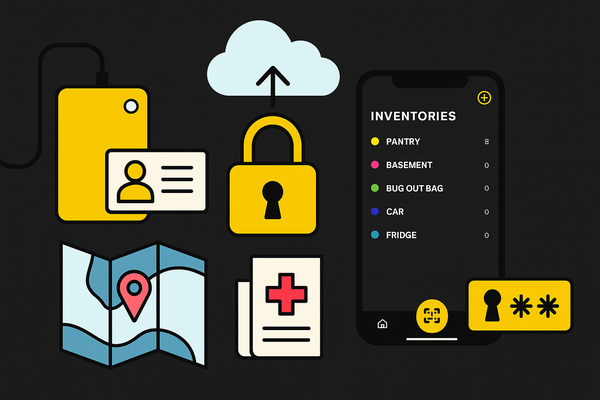
- Copies of ID and insurance cards (physical and digital)
- A short emergency contact list on paper
- Some cash in small bills
- Your phone and charging cable
- A power bank
- Swiss army knife or multi tool - These just come in handy in many situations and are not seen as a threatening weapon.
You may have electricity eventually. You may not at first. Having your phone alive keeps options open. Furthermore, depending on the emergency, payment systems might be down, and therefore having some cash will give you access to some comfort items along the way.
Clothing That Makes Sense
You’re not packing outfits. You’re packing comfort and flexibility. The main priority is to pack clothes fit for the season, specially in harsh winters. If you do not want to rotate/change the clothes every 6 months, i would leave the winter clothes in the bag year round.
Include:
- One full change of clothes
- Extra underwear and socks
- A light jacket or hoodie
- Comfortable shoes in case your current ones aren’t ideal
Shelters and hotels are often colder than expected, and clean clothes do more for morale than people realize.
Hygiene and Health
Hygiene and being healthy goes hand in hand. People see it in war times, and although a Bug Out Bag is not for that scenario, keeping clean and healthy should always be a priority. Feeling clean also boosts morale, and therefore keeps us alert and ready to react if needed.
Bring:
- Toothbrush and toothpaste
- Razor for beard shaving
- Lip balm
- Nail clipper - Occupies virtually no space but if you didn't cut them recently you're happy to have it.
- Wet wipes - (These can dry out, if you don't use them regularly and can just add them to the bag, rotate every year)
- Hand sanitizer
- Pocket Hand Wash - Keeping your hands /face clean is essential. Some can also be used to take a shower in a pinch. (e.g. Sea to Summit Pocket Wilderness Wash)
- Deodorant - Everyone around you will be thankful for this one
- Small towel or microfiber cloth
- Laundry detergent powder to wash cloths in a sink if needed.
- Any daily medications for at least three days
- Basic pain relief
- If you have a medical emergency kit, throw it in your bag as well if it is not too bulky or build a specific one for the bug out bag.
You’re not trying to stay fresh for social reasons (Although people will be happy you dont smell). You’re trying to feel human. If no water is available or privacy is limited, a quick clean with wet wipes can make a huge difference.
Food and Water
You don’t need cooking gear, you need calories and water. When planing for short term evacuation, you are heading to a specific location, where food can be aquired (hotel, evacuation place). If you planning on going Rambo (hunting, trapping, fishing) , you need a lot more gear, and also a lot more skills, which is not the point of this B.O.B.
Pack:
- A refillable water bottle (Single walled stainless steel)
- Tea bags
- Instant coffee
- Snacks that don’t melt:
- Protein bars
- Nuts
- Crackers
- Dried fruit
- Freeze dried meals that only require hot water (e.g. Mountain House)
Most shelters provide food eventually, or you can use the spare cash to buy something at/around the hotel. This is about getting through delays or the initial day without being hungry or irritable. The stainless steel bottle is useful if you want to boil some water for a hot tea or for freeze dried food.
Small Comfort Items That Matter
These often get overlooked, but they dramatically improve sleep and focus.
Consider:
- Earplugs
- Eye mask
- Notebook and pen
- Headlamp
Depending on where you're heading, it could be crowded, these spaces are loud and bright. These small items give you comfort when you try sleeping by reducing the light and sound noise, and a notebook and pen is just always useful. A headlamp also helps navigate crowded places at night, and leaves your hands free to operate whatever you need.
Adjustments for Different Family Members
A single generic list doesn’t work for everyone. The core kit stays the same, but each person has specific needs.
Women
Besides the Menstrual products, these are not Women specific, but upon reading on what Women specific products are required for a B.O.B, these are the ones i've found made the most sense.
Add:
- Menstrual products for several days
- Hair ties or clips
- Tiny hair brush
Children
Children don’t process emergencies the same way adults do, therefore keeping the environment familiar with games and activities can greatly help keeping them calm.
Add:
- One comfort item THEY choose
- Snacks they already eat
- One extra set of clothes (They might get dirtier faster when playing)
- Wet wipes (Already under hygiene and basics, but it is to reiterate in case you went with a roll of TP instead)
- A book, coloring pad, or tablet with offline content. Smaller board games like chess can be found in a relative small size and brings joy to young and old.
Keeping a child calm makes the situation easier to handle for everyone.
Elderly Family Members
Small omissions can become serious problems.
Add:
- Extra medication beyond 72 hours if possible
- Glasses, hearing aids, spare batteries
- Written medical information (Laminated)
- Warm layers or a lightweight blanket
Don’t assume shelters can immediately accommodate special needs. I do not have a lot of experience with prepping for elderly, so any feedback is appreciated and will be added here.
Disabled Family Members
Preparedness here is highly individual, and therefore planning matters even more.
Consider:
- Backup supplies for medical or assistive devices
- Chargers or spare batteries
- Written instructions for caregivers
- Items that reduce sensory overload
If mobility is limited, a rolling bag is often more realistic than a backpack.
What to Leave Out
Many online lists include items that cause problems rather than solve them.
Avoid:
- Tactical or military-style gear
- Weapons or restricted self-defense items
- Heavy cooking equipment
- Excess tools
- Large quantities of food
In shelters and hotels, these can attract unwanted attention or even prevent entry.
Where and How to Store Your Go Bags
A perfect go bag in the wrong place is useless.
- Store bags near the exit
- Keep them visible and accessible
- Review contents every six to twelve months
- Rotate medications and update documents
- Adjust clothing seasonally
- Have laminated instructions next to the bag, indicating things that still need to be added or verified before leaving (e.g. If you have 5 minutes add only water, if you have one hour maybe get some more meds)
Most items in the B.O.B will not expire, but it is crucial to keep rotating the ones that do (Water, food, charged powerbanks, batteries on headlamps / fully charged)
Final Thoughts
Most emergencies are inconvenient, not catastrophic. But inconvenience becomes chaos when you’re unprepared.
A realistic go bag doesn’t make you paranoid. It makes you calm. It removes decisions when your brain is already overloaded and lets you focus on what actually matters: getting somewhere safe with your family intact.
Preparedness isn’t about expecting the worst. It’s about making disruption less disruptive.
If you already think about food storage, budgeting, or household organization, this is just the same mindset applied to leaving home when you have to.